
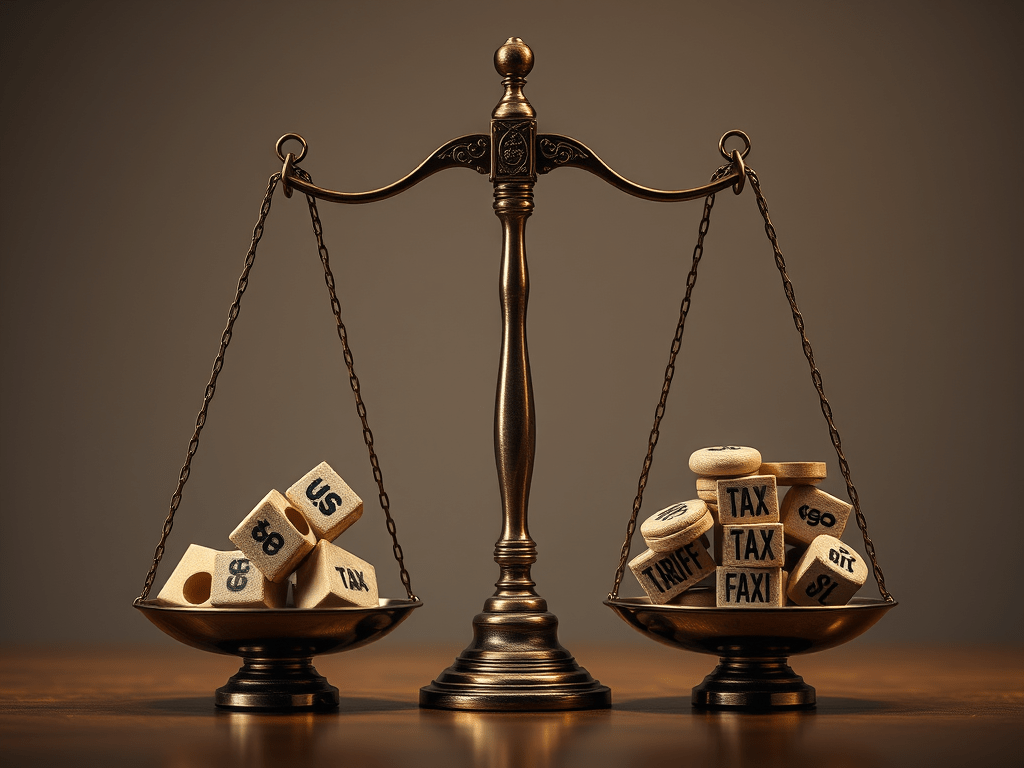
It’s astonishing to me that Trump critics, Democrats, other world leaders, and even Wall Street seem to share a unified stance: “Tariffs are taxes. They’re bad for business and even worse for consumers.” What’s perplexing is that these are the same groups who consistently raise taxes on both businesses and citizens. They pile on regulations, impose burdensome red tape, and increase financial strain at every turn. Yet, somehow, tariffs— which they label as a tax—are singled out as detrimental to business. If their logic holds, wouldn’t the reverse also be true? Reducing taxes across the board should, by their own reasoning, be good for business and consumers alike. So why don’t they pursue that? The inconsistency is glaring.
This double-mindedness reeks of hypocrisy and instability. The Bible warns against such behavior in James 1:8: “A double-minded man is unstable in all his ways.” Politicians and leaders who decry tariffs while championing other taxes and regulations epitomize this instability. They speak out of both sides of their mouths—condemning one form of taxation while embracing others that often hit harder. This duplicity isn’t just a political failing; it’s a moral one. James 3:10-11 says, “Out of the same mouth come praise and cursing. My brothers and sisters, this should not be. Can both fresh water and salt water flow from the same spring?” These leaders claim to champion the public good, yet their actions often reveal self-interest and contradiction.
Moreover, the Bible ties such behavior to deeper spiritual issues. James 3:16 states, “For where you have envy and selfish ambition, there you find disorder and every evil practice.” Could this be what’s driving the tariff debate? Greed and selfishness—whether from politicians seeking power, corporations chasing profit, or global leaders protecting their own interests—seem to underlie this hypocrisy. The love of money, as 1 Timothy 6:10 warns, is “a root of all kinds of evil,” leading people astray and causing harm to others. We see this in leaders who prioritize personal gain or political agendas over the well-being of their citizens.
If tariffs are indeed taxes, as they claim, then why not apply the same scrutiny to all taxes and regulations that stifle economic growth? History shows that reducing tax burdens can stimulate economies. For example, the Tax Cuts and Jobs Act of 2017 in the U.S. led to increased business investment, job growth, and wage increases, according to studies from the Tax Foundation and the Congressional Budget Office. If the critics’ logic is consistent, they should advocate for broad tax relief, not just oppose tariffs. Yet, their selective outrage suggests a deeper agenda—perhaps one rooted in political posturing or globalist priorities rather than genuine concern for citizens.
Proverbs 11:1 offers a guiding principle: “The Lord detests dishonest scales, but accurate weights find favor with him.” Fairness and consistency should matter in governance. Leaders who decry tariffs while ignoring the crushing weight of other taxes and regulations are using “dishonest scales,” manipulating narratives to suit their interests. This isn’t just bad policy—it’s a betrayal of trust.
In conclusion, the double-mindedness of these leaders reflects a deeper moral and spiritual failing. Their instability, as the Bible warns, leads to disorder and harm. Citizens deserve leaders who are consistent, honest, and guided by principles—not swayed by greed or political expediency. The tariff debate is just one symptom of a larger problem: a leadership class that has lost its way.
Discover more from En-Joy Ministries
Subscribe to get the latest posts sent to your email.
